1653
The Great Fire
A devastating fire sweeps along Marlborough High Street, destroying the earlier house and many neighbouring properties.
Our history
From the Great Fire of 1653 to a modern conservation trust, the building has repeatedly adapted while retaining extraordinary traces of earlier lives.
A long view
Key moments show how a private home and commercial building became a place of conservation, research and public discovery.
A devastating fire sweeps along Marlborough High Street, destroying the earlier house and many neighbouring properties.
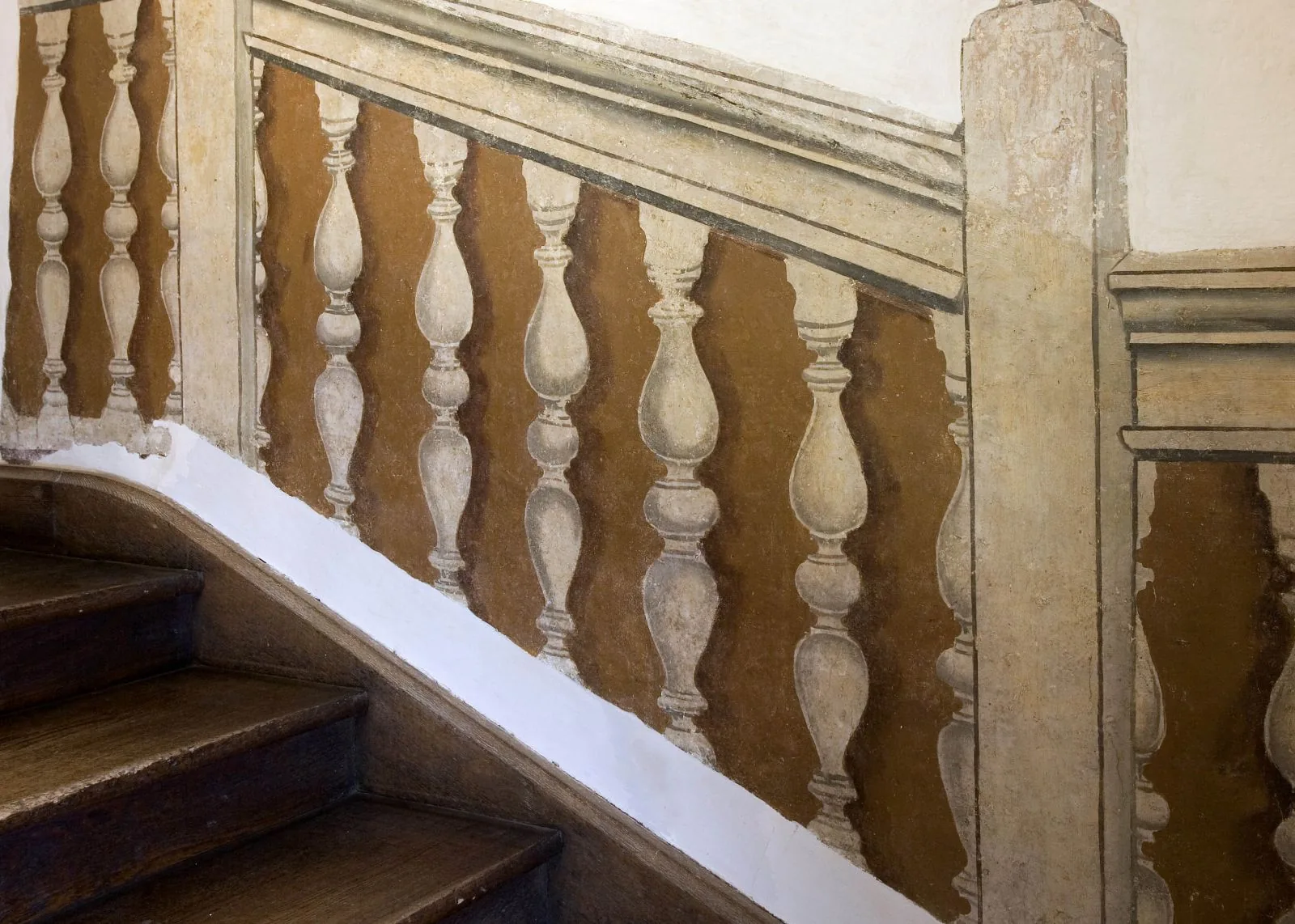
A prosperous silk merchant shapes an ambitious timber-and-brick house, enriched with panelling, painted decoration and a great oak stair.
The building is altered, divided and occupied in new ways as the High Street evolves around it.
A new Trust takes on the challenge of safeguarding the building and revealing the importance of its surviving fabric.
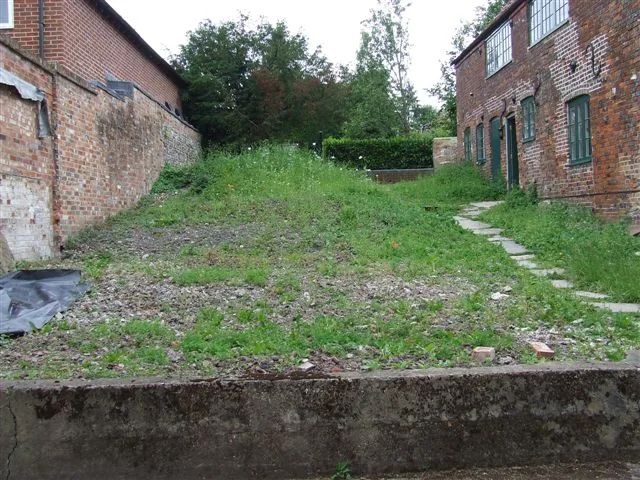
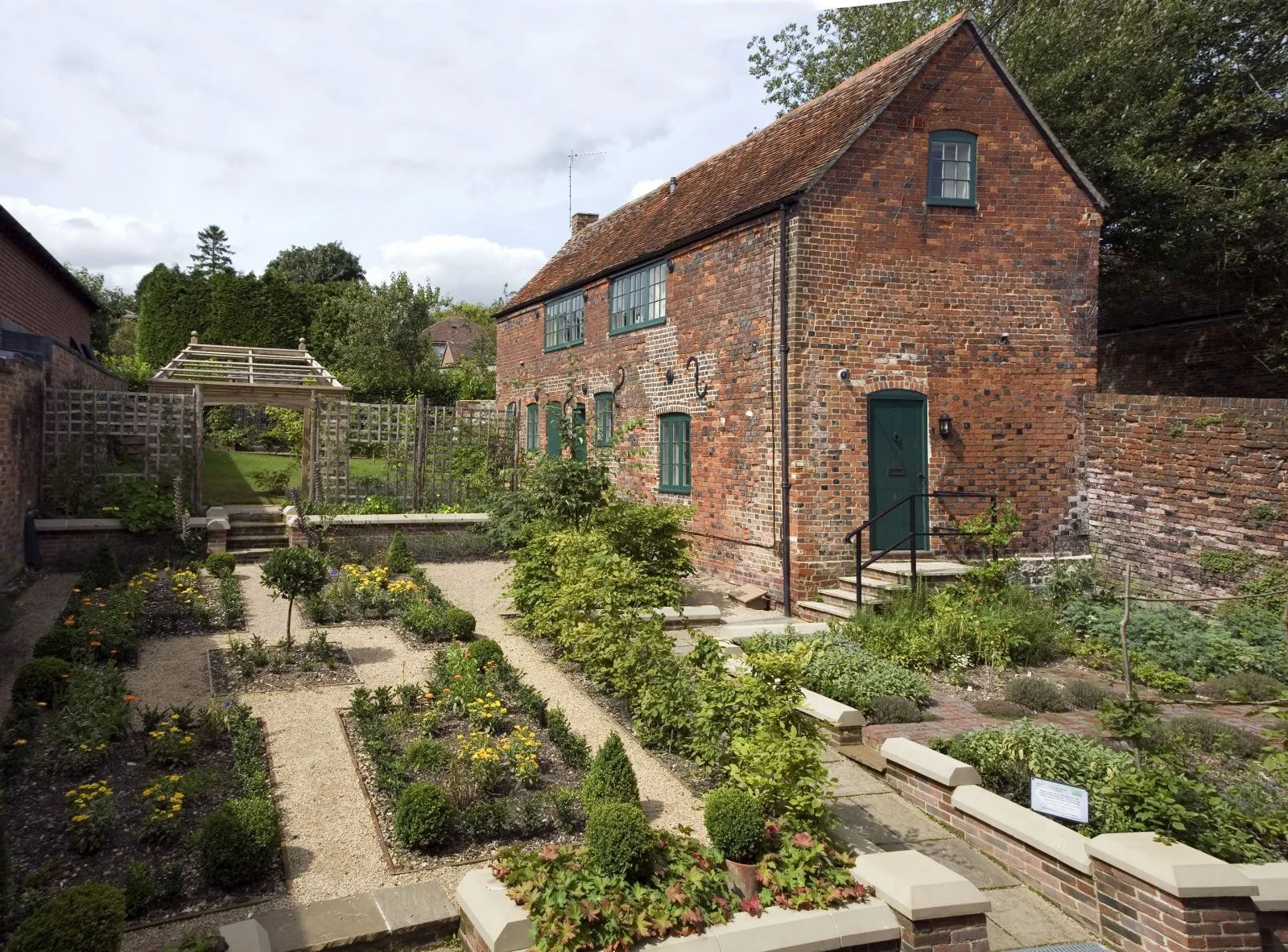
Adjacent parts of the property come back together, while the rear garden is researched and rebuilt as a period-inspired space.
New research, fundraising and skilled work continue to reveal, stabilise and interpret the house for future generations.
Layers of evidence
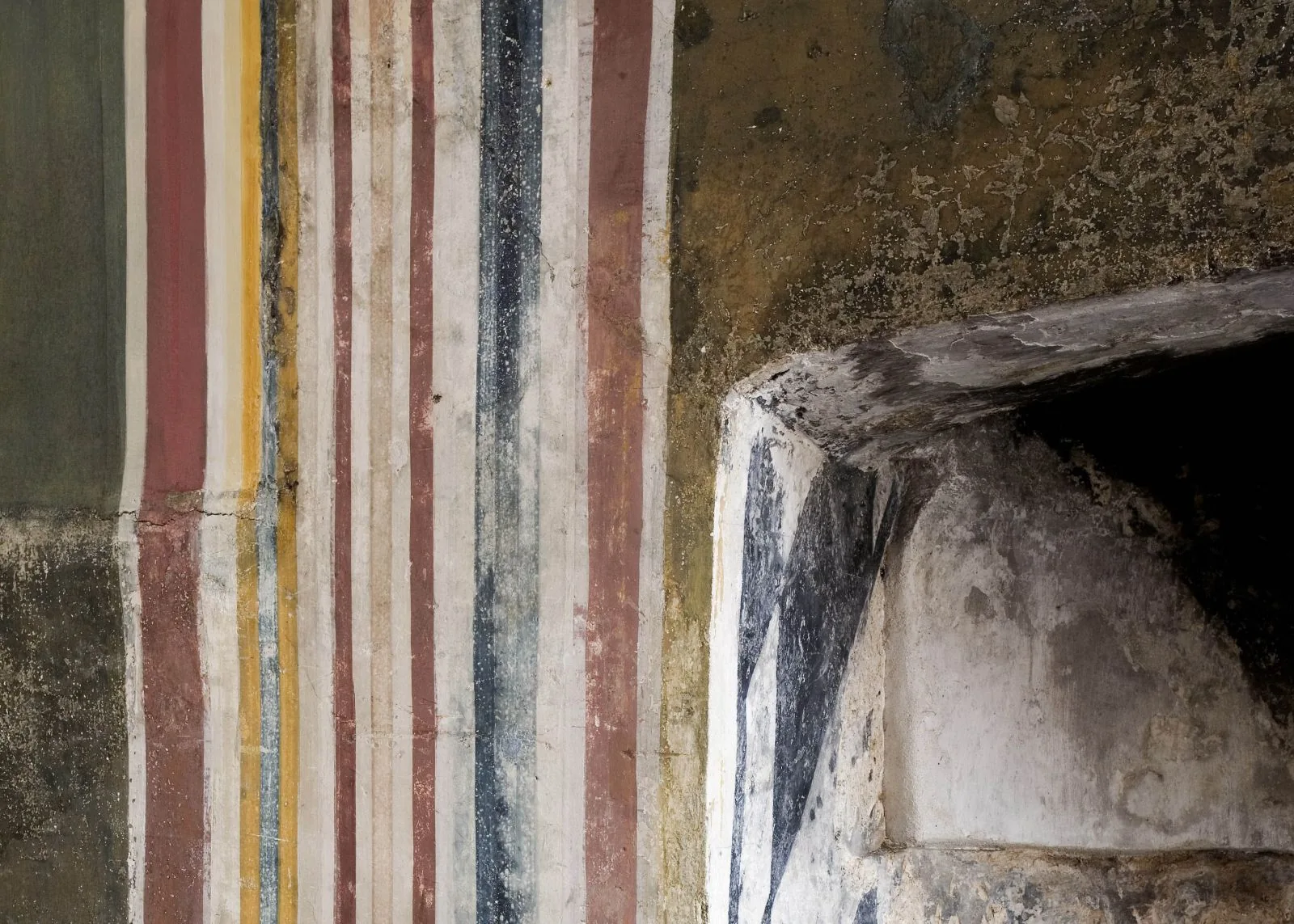
Paint fragments, joinery, floorboards, nail holes, inventories and photographs all help build a more precise account of the house.
The aim is not to make everything look new. Instead, conservation protects significant fabric, explains uncertainty and lets visitors see how knowledge develops over time.
Support conservation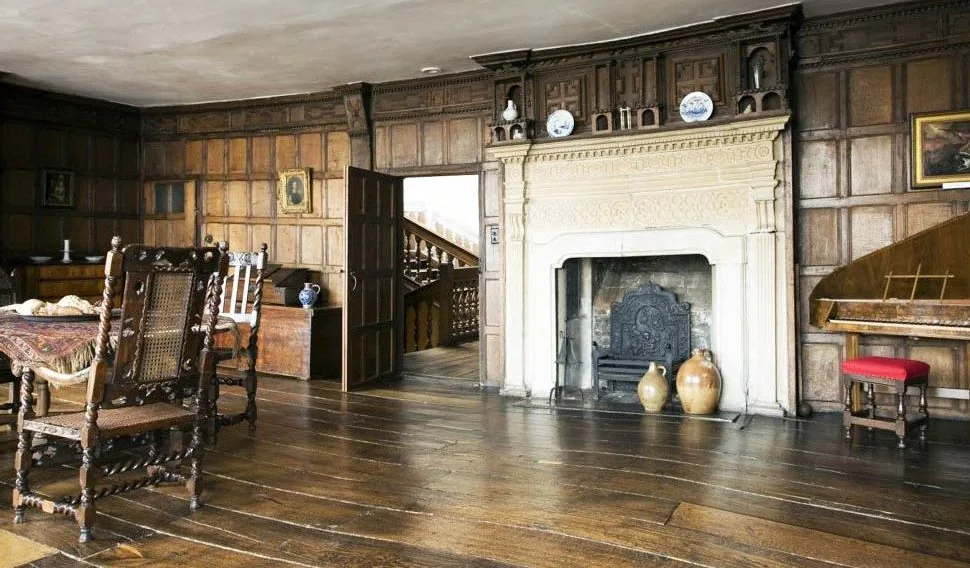
Plan your day
Conservation depends on skilled work, careful research and a community willing to invest in the future.