
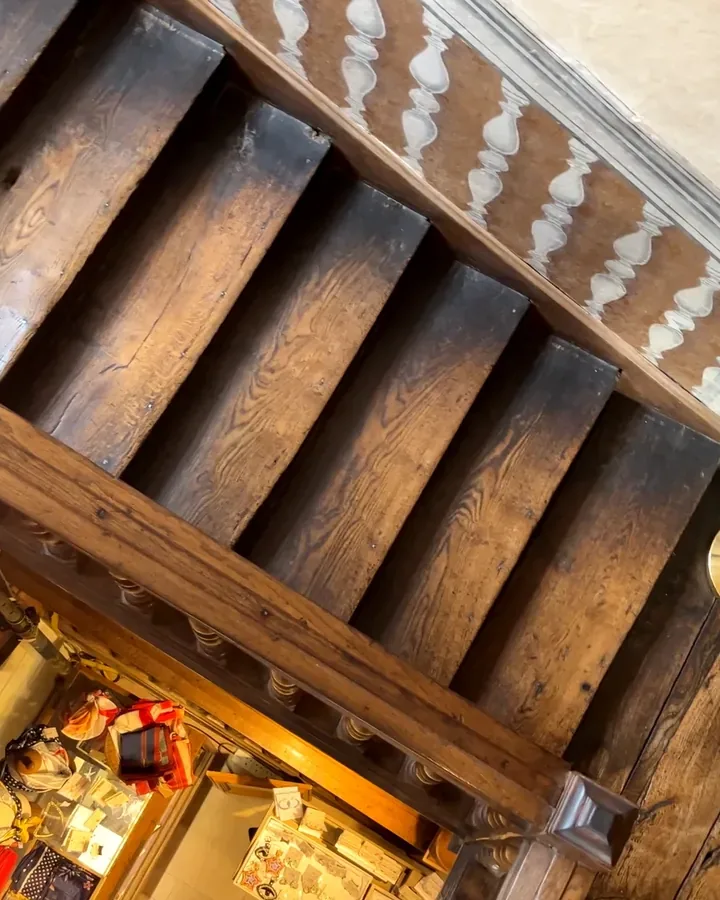
Original fabric
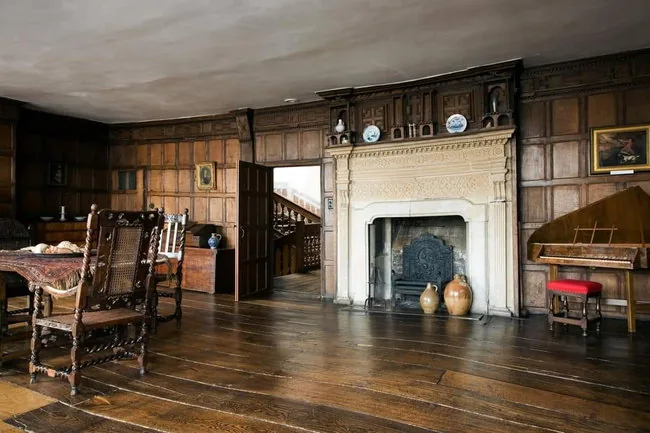
The panelled chamber
Oak panelling, fireplace and overmantel survive from the rebuilding after the Great Fire of 1653.
Look for pegged construction, carved details and thin panels held in grooves.Discover
Move from painted rooms and hidden craftsmanship to a living garden, a museum of local lives, an independent shop and the research that keeps changing what we know.
The complete picture
Explore the rooms, garden, museum, shop and collections as one connected story.
Use the section guide above to move straight to an area, or follow the page from beginning to end for the full picture before your visit.
The house
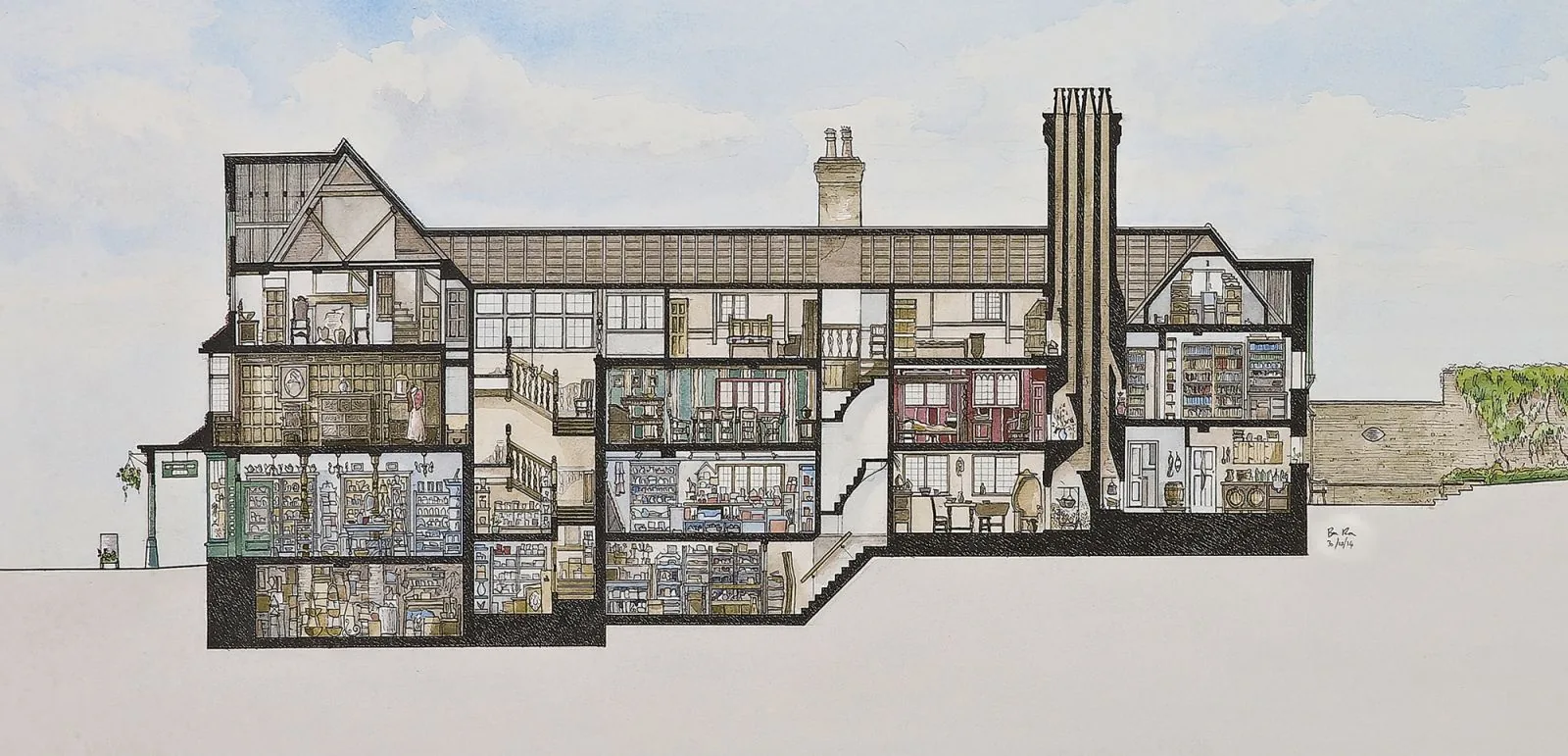
The building is not simply a backdrop. Timber, plaster, paint, glass and furniture reveal how a successful 17th-century household presented itself—and how domestic work was organised behind the scenes.

A merchant’s home
Surviving surfaces make it possible to compare what is original, what changed over time and how present-day conservation decisions are made.
Oak panelling, fireplace and overmantel survive from the rebuilding after the Great Fire of 1653.
Look for pegged construction, carved details and thin panels held in grooves.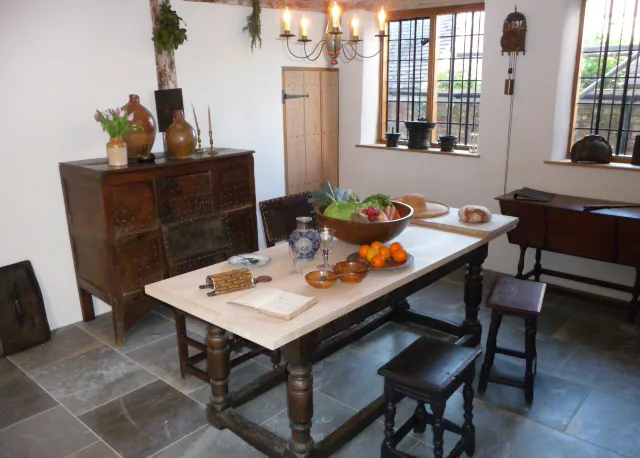
The down-hearth, fire-dogs, crane and work table explain how heat, food preparation and heavy labour were managed.
Look for the scale of the hearth and the position of tools around it.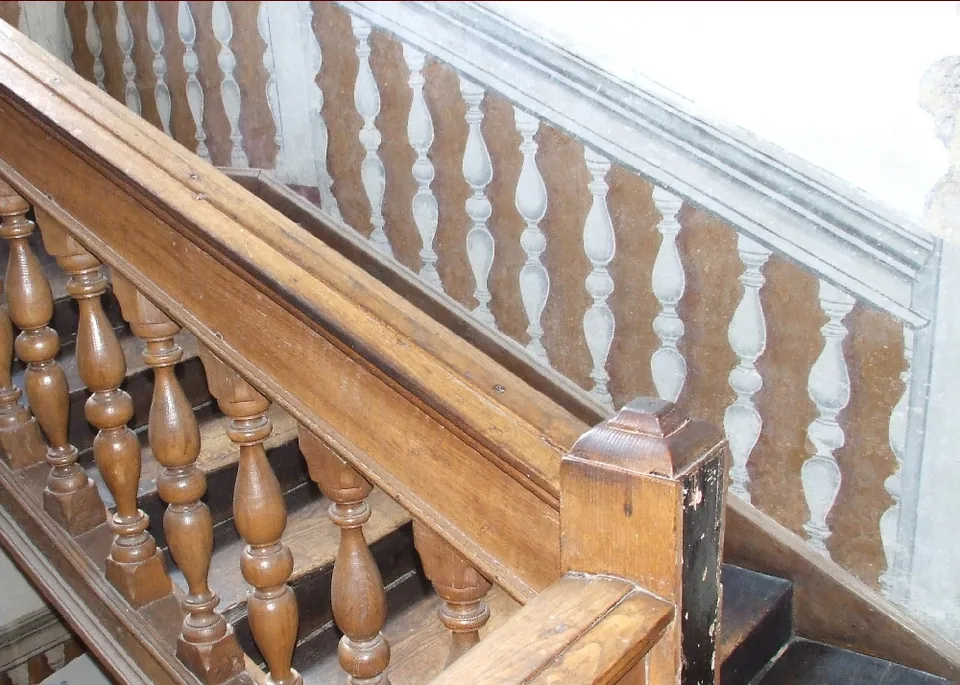
Real oak balusters are echoed by painted counterparts, turning movement through the house into display.
Notice how light from the great window changes the painted shadows.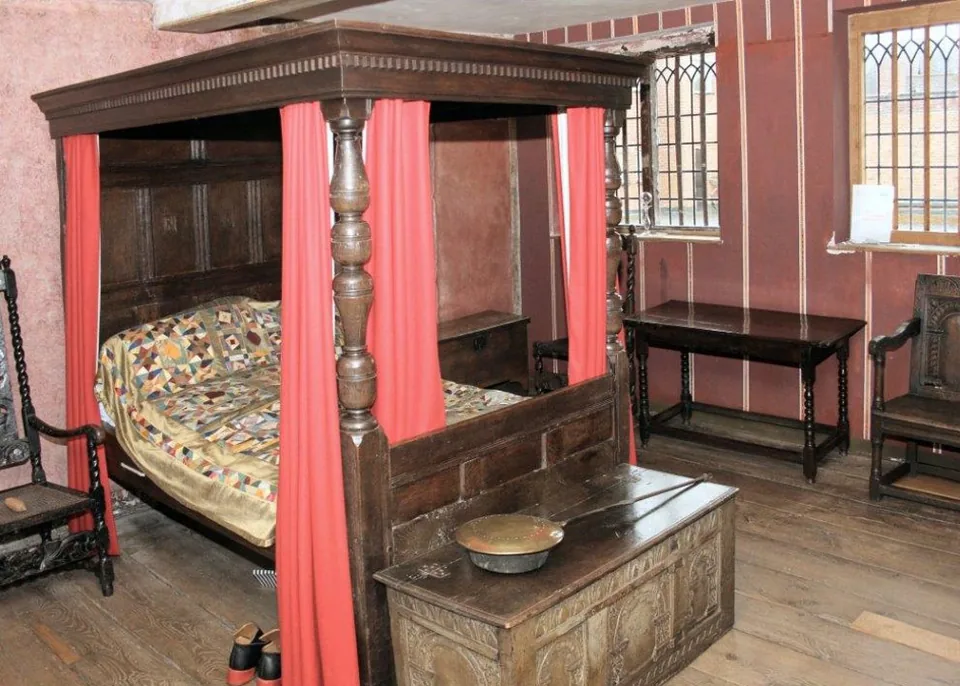
A bedchamber above the kitchen benefited from rising heat and reveals how comfort and status shaped the plan.
Room position can be evidence just as much as the objects inside it.Look closely: pegged joinery, painted shadows, changes in floor level and worn surfaces all help reveal how the house was built and lived in.
The garden
A compact town garden recreated with herbs, fruit, flowers, clipped hedging and the proportions of a 17th-century plot. It is historically informed, but never frozen in time.

A garden with purpose
Medicinal herbs, culinary plants, fruit and productive beds balance beauty with household value. Strong paths divide the beds, guide movement and create order within a narrow High Street plot.
Designed by Jeffrey Galvin-Wright, the garden was completed in September 2007 and opened by Sir Roy Strong. It was named Wiltshire Garden of the Year in 2009.
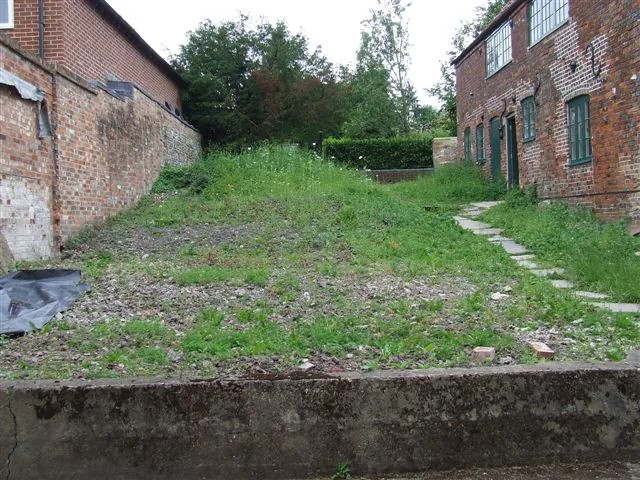
A sloping site awaiting a clear historic structure and productive planting.
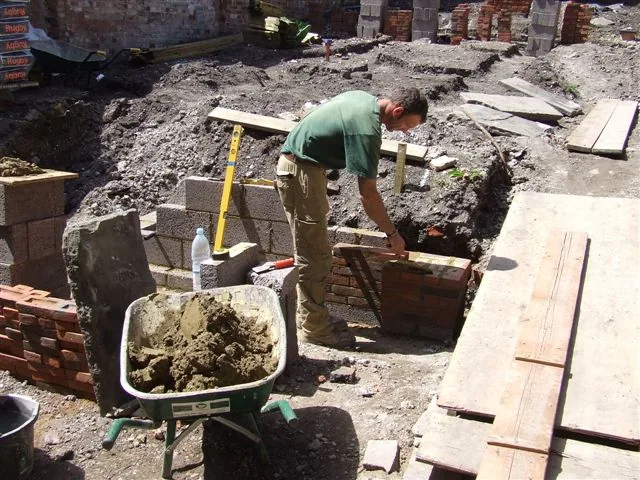
Paths, beds, walls and levels were built to establish the garden’s framework.
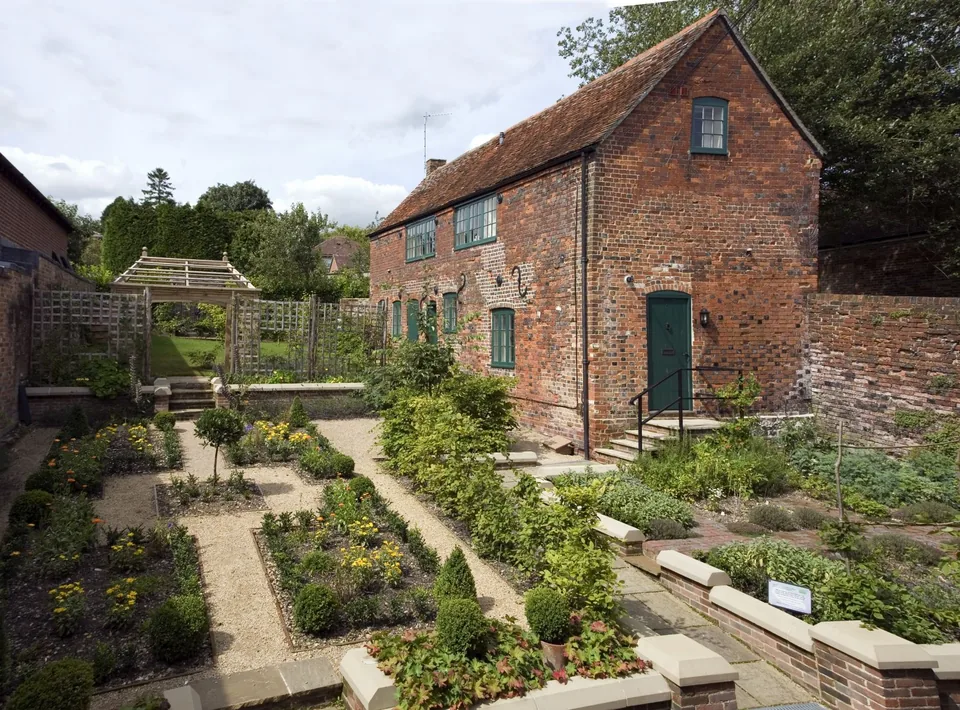
Hedges, fruit, herbs and seasonal colour soften the geometry year after year.
Best time to linger: spring through early autumn, when the planting shows the plan at its most expressive.
Marlborough Museum
Objects, photographs and local memories follow Marlborough forward through later shops, industries, pastimes and people—from the 18th century to the decades after the Second World War.
Made in Marlborough
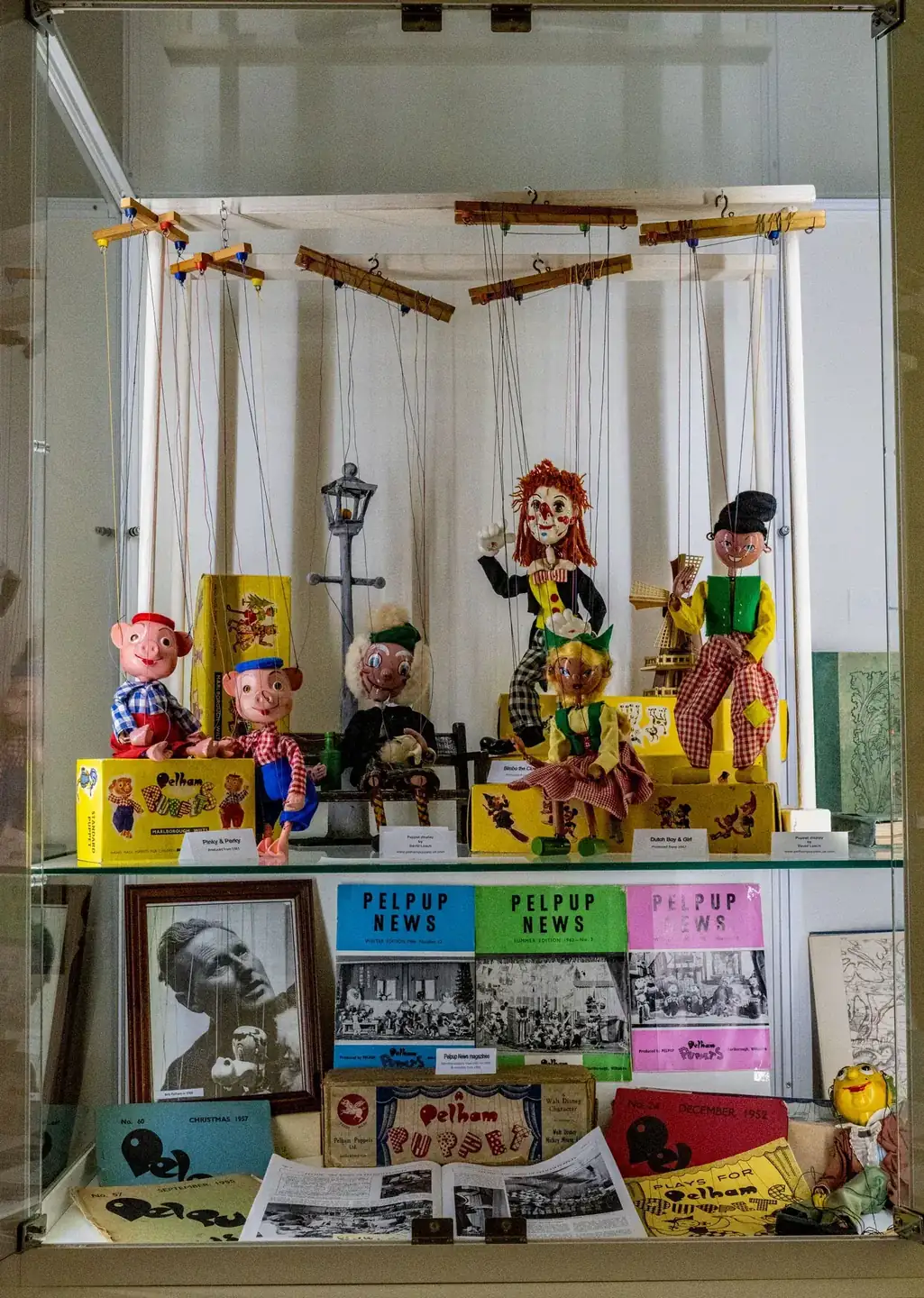
Pelham Puppets connect a nationally recognised toy with local working life. A puppet carries evidence of design, materials, manufacture, play and the people whose livelihoods depended on the business.
The museum places colourful objects beside photographs and related material, moving from the finished product to questions about work and identity.
A living local collection
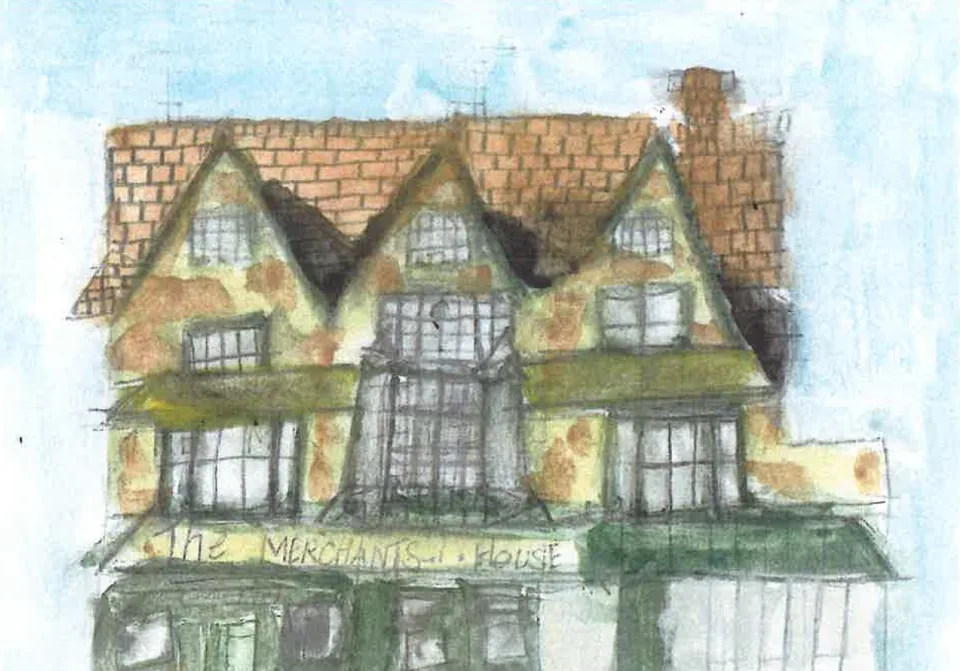
Photographs, artwork, oral history and community knowledge reveal what formal catalogues can miss. A young visitor’s painting, for example, records the gables and timbered frontage that made the strongest impression.
The shop
Browse gifts, books, cards, homeware and products chosen for quality, local connection or their relationship to the stories shared throughout the house.

Products from local makers sit alongside ranges such as Emma Bridgewater, St Eval, Jellycat, Branche d’Olive and Addison Ross. Stock changes regularly.
Books, cards and homeware that continue the stories of architecture, gardens and 17th-century life.
The trading company donates its annual profits to the charitable Trust.
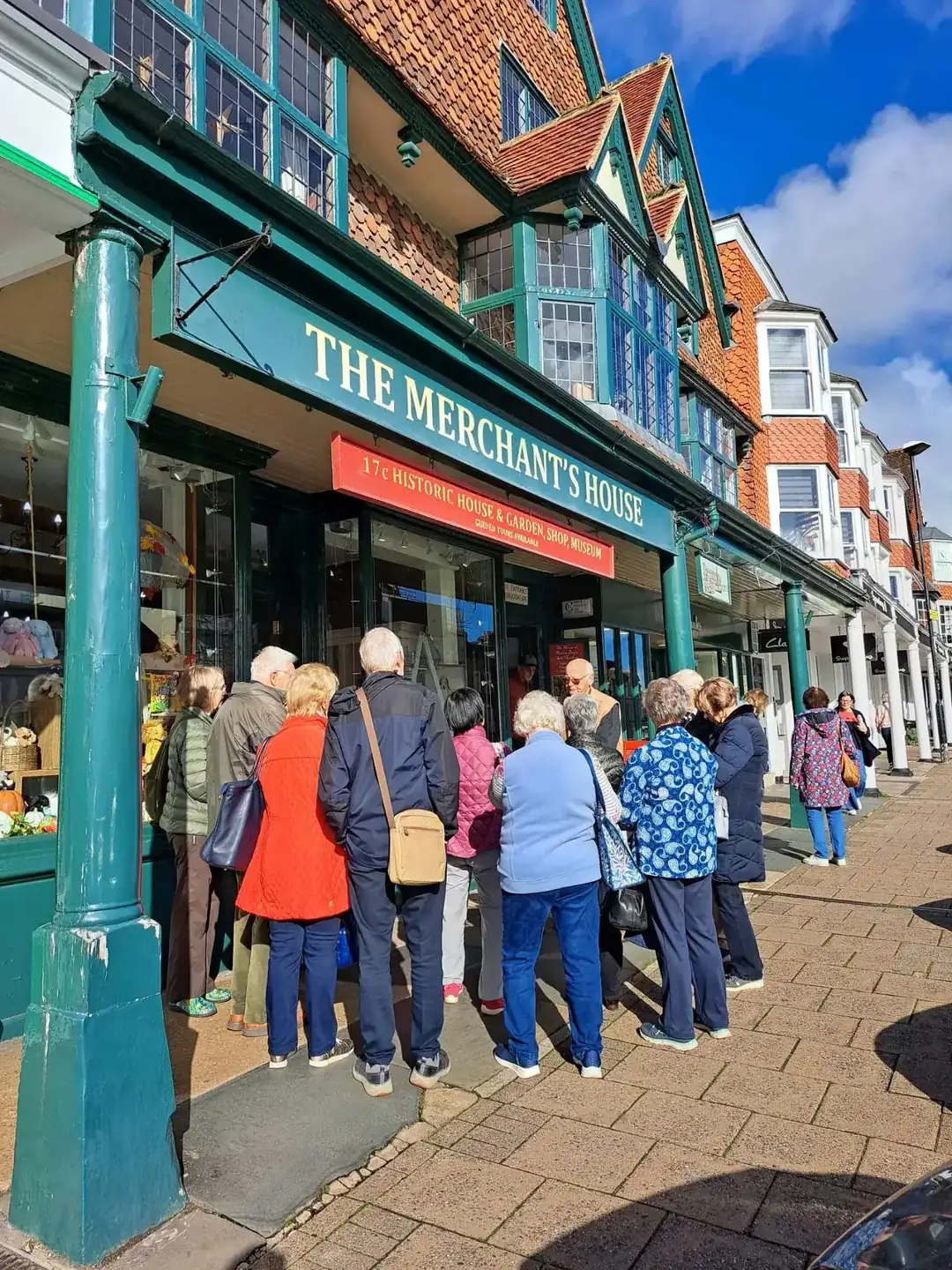
People behind the shop
A small management team works with dedicated volunteers to welcome shoppers, create displays and keep the High Street shop running.
Typical ranges include Emma Bridgewater, St Eval, Jellycat, Branche d’Olive, Addison Ross, nightwear, cards and gifts for all ages. Stock changes regularly.
Follow the shop on Instagram ↗Collections & research
The Trust cares for objects, archives, photographs, books and evidence within the building. Each source answers a different kind of question—and can change how the house is understood.
Furniture, domestic objects, paintings and decorative evidence illuminate use, manufacture, status, repair and display.
Photographs, maps, books and restoration records connect people, places, chronology, ownership and change over time.
Paint layers, joinery, tool marks, alterations and material analysis reveal construction, conservation and room histories.
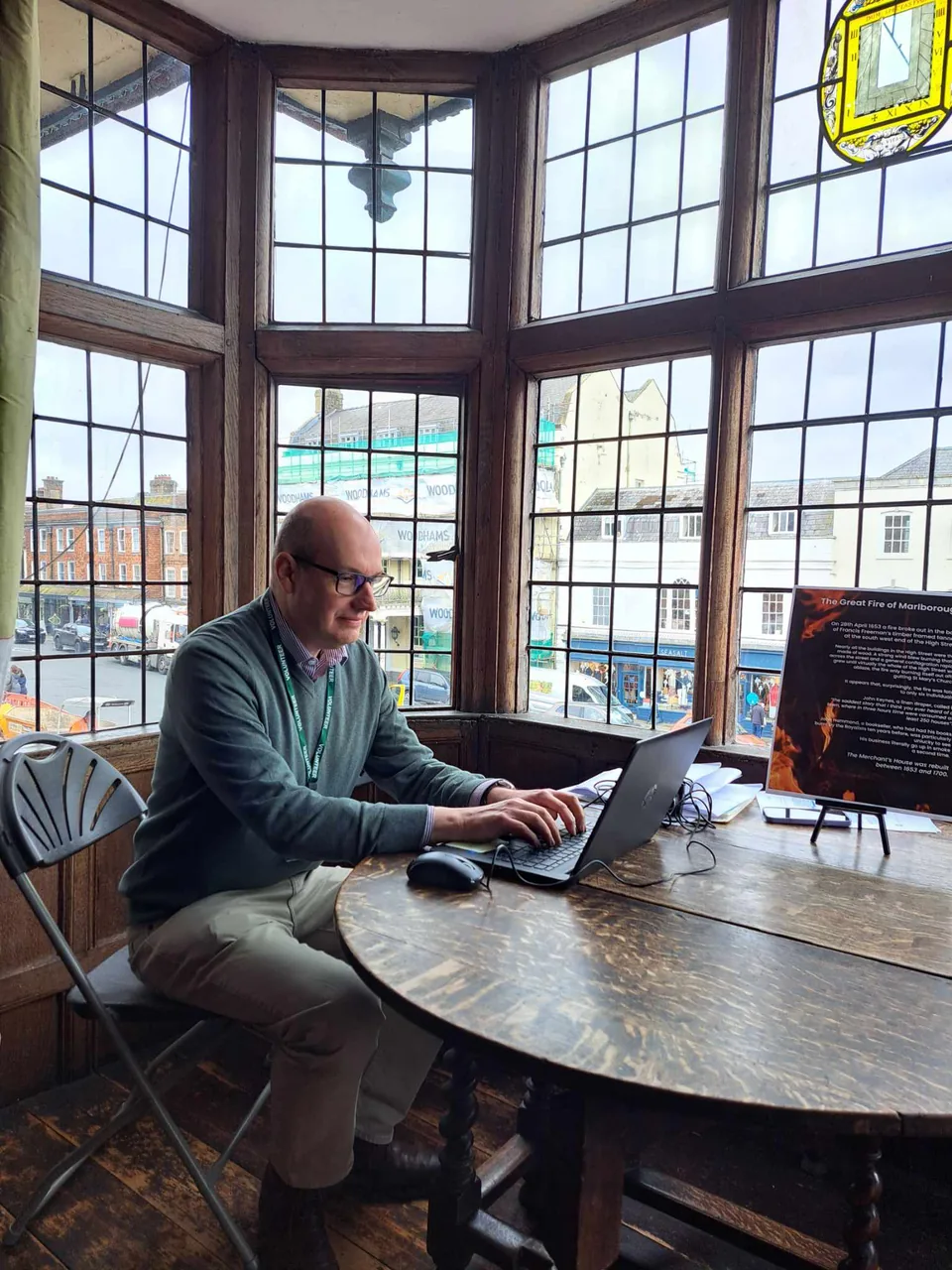
Surfaces, light and alterations can be compared directly with documentary evidence.
Visitor responses identify memorable features and gaps in interpretation.
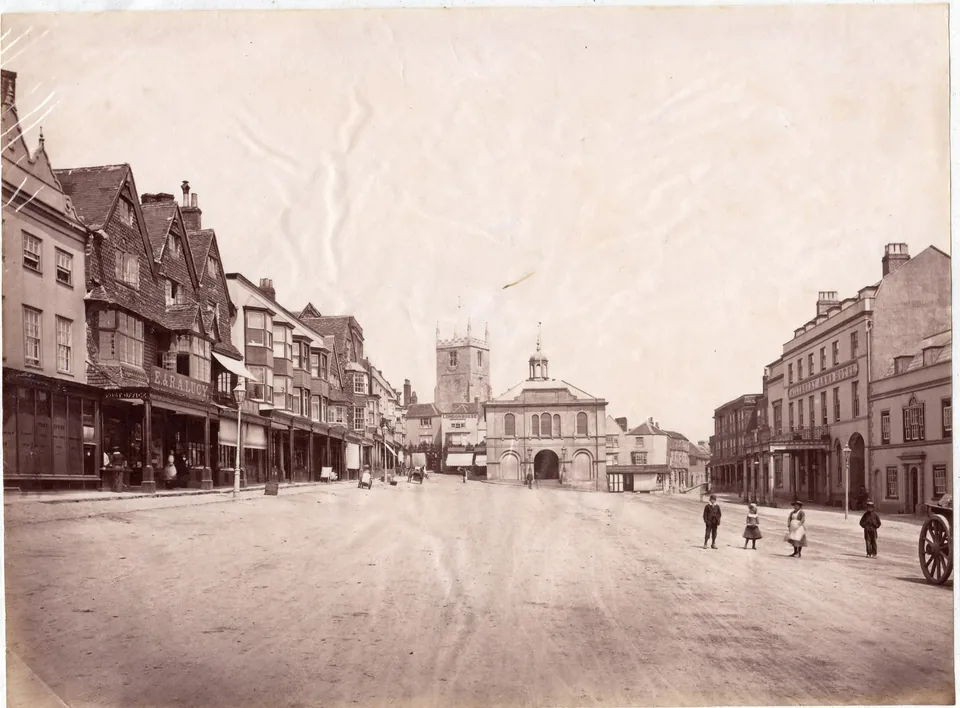
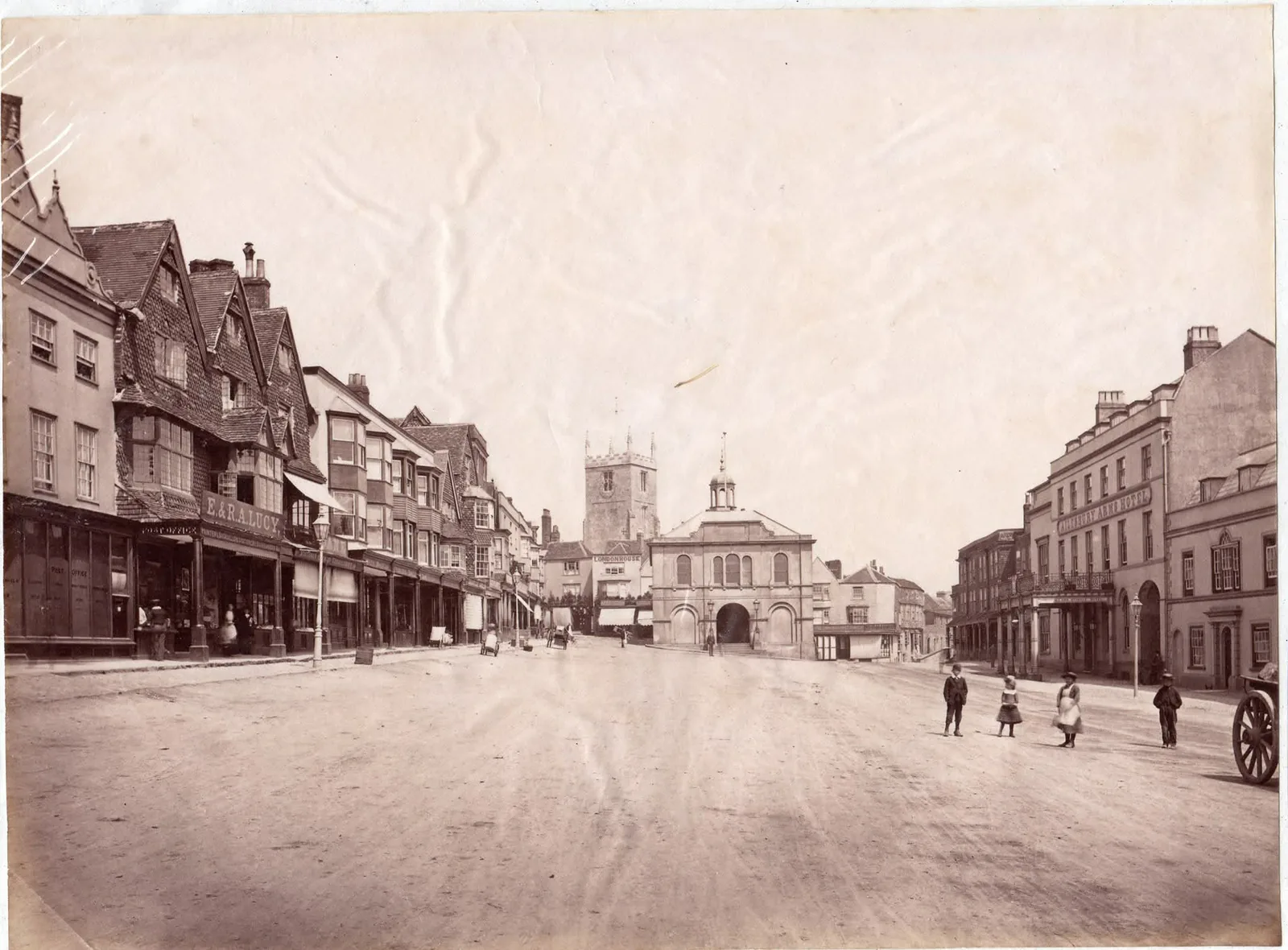
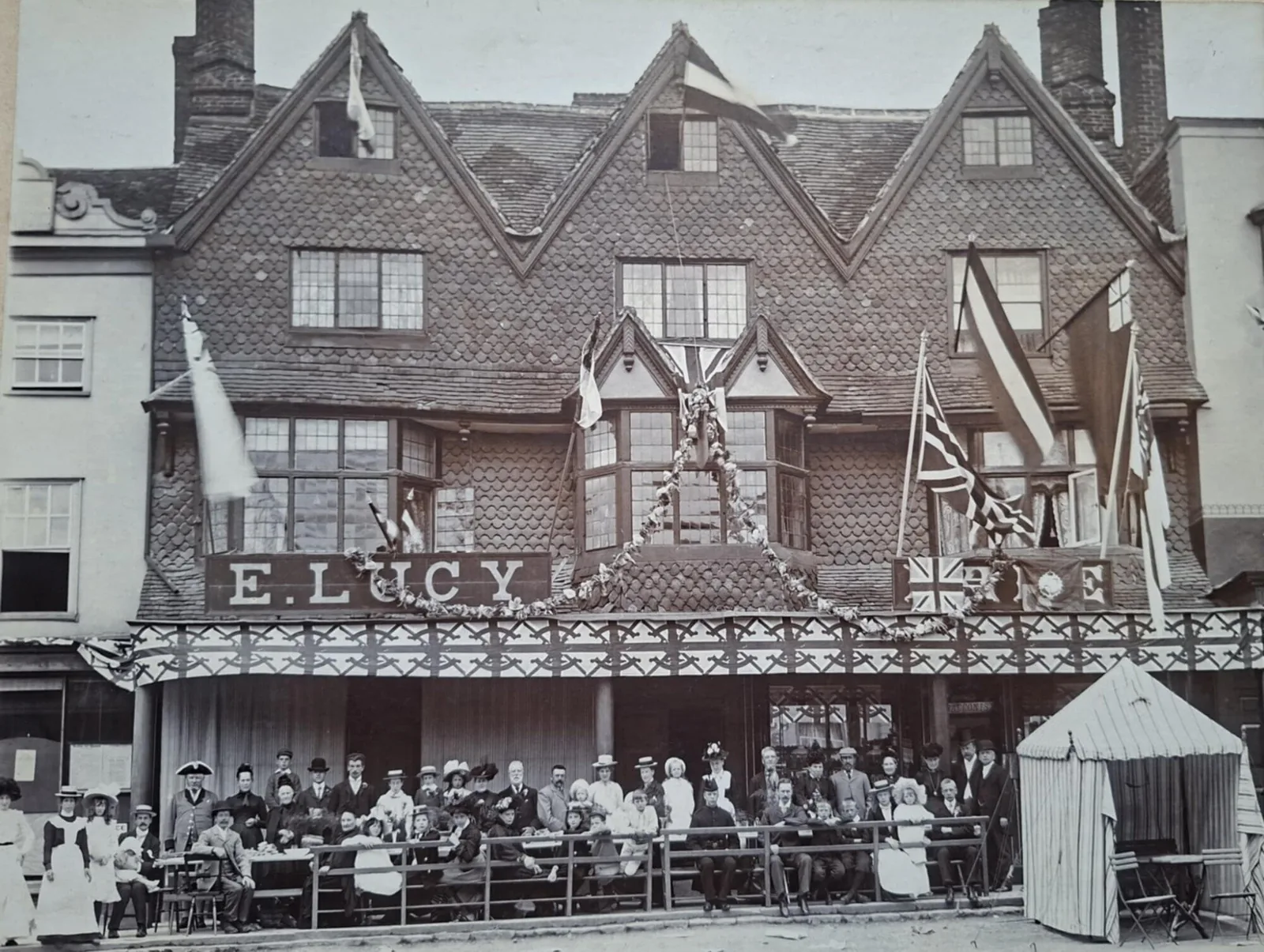
Buildings, transport, clothing and public space can be compared with maps and the town today.
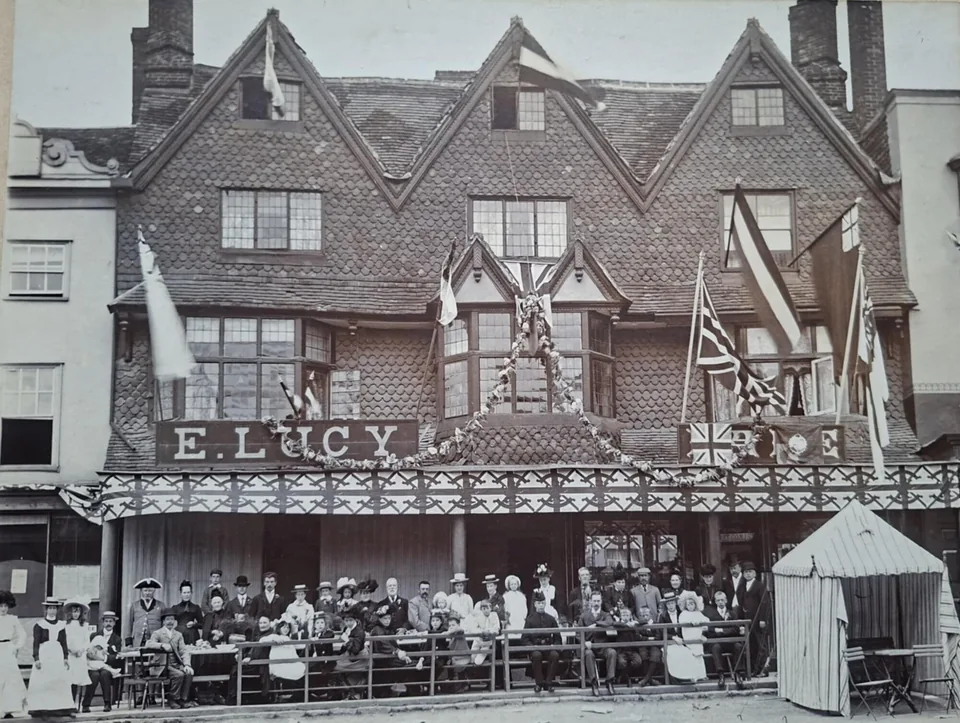
Names, staff, customers and products connect one business with the wider economy.
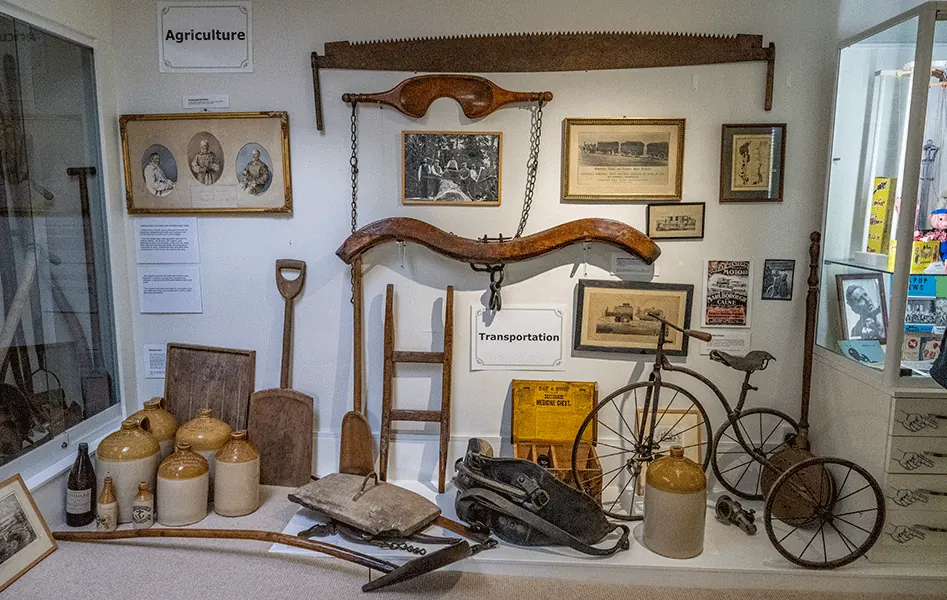
Wear, repair, material and form add physical evidence about everyday skills.
Research enquiries
A focused enquiry helps a small team assess relevance, likely sources and whether an appointment is needed.
See it in person
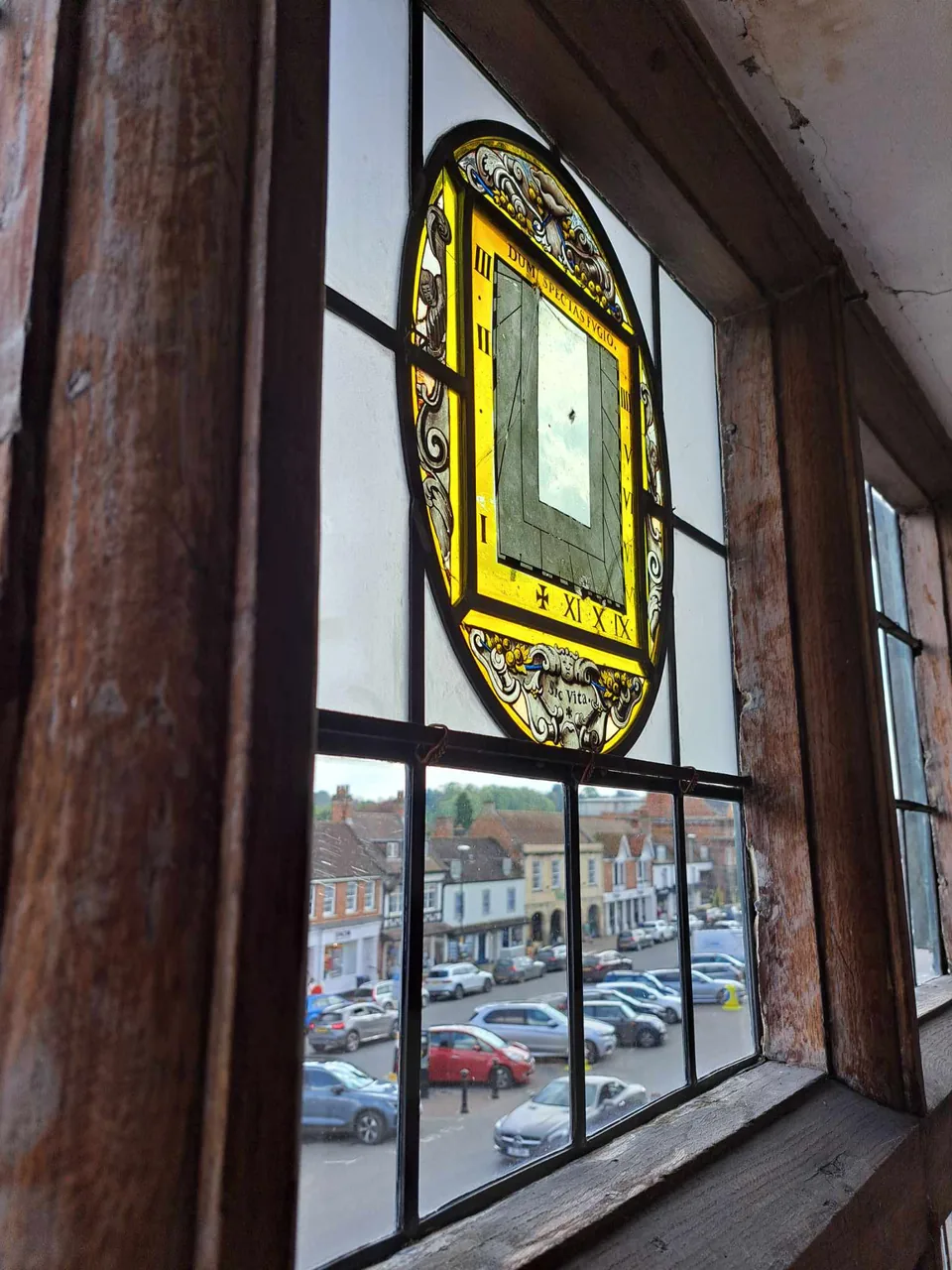
The house, garden, museum and shop sit together on Marlborough High Street. Plan enough time to look closely—the best details are rarely the loudest.
A house worth keeping
Visits, donations, memberships and volunteer time all help protect this remarkable place and share it with future generations.